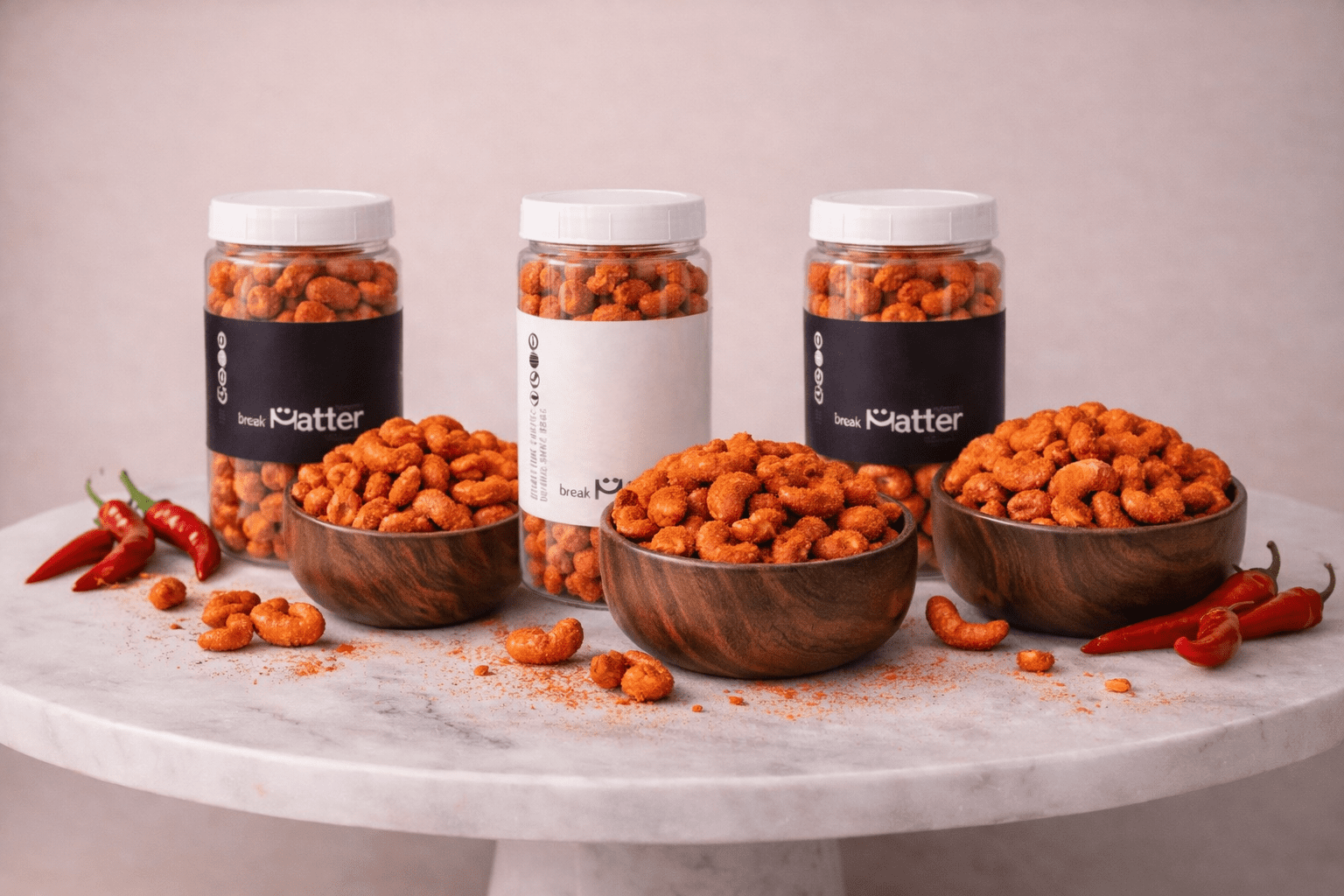
Evening snacking is deeply woven into Indian culture. Whether it’s the 4 PM chai break at work or the family gathering around the kitchen table after school, evening snacks hold a special place in our daily routine. However, most traditional tea-time snacks are deep-fried, loaded with oil, and contribute to weight gain and health issues. The good news is that healthy snacks for the evening in India are not only possible but can be just as delicious and satisfying. This guide will help you discover the best alternatives that support your health without compromising on taste.
What Are Healthy Snacks for the Evening in India?
Healthy evening snacks are food items prepared using minimal oil, wholesome ingredients, and cooking methods like roasting, baking, or air-frying. These snacks are rich in protein, fiber, and essential nutrients while being low in empty calories. Examples include roasted makhana, homemade chivda without deep-frying, sprouts, nuts, and traditional Indian snacks reimagined with healthier preparation methods. They satisfy hunger, provide sustained energy, and support overall wellness.
Why Choosing Healthy Evening Snacks Is Important
Your evening snack can either fuel your body or drain it. Choosing the right snack impacts your energy levels, weight management, and long-term health.
Many Indians consume their largest meal at dinner, making the evening snack a critical bridge between lunch and dinner. When this snack is unhealthy, it leads to:
-
- Blood sugar spikes followed by energy crashes
-
- Unnecessary calorie intake that contributes to weight gain
-
- Digestive discomfort from oily, heavy foods
-
- Increased risk of lifestyle diseases like diabetes and heart conditions
By opting for healthy evening snacks Indian families can trust, you’re investing in better health, improved focus, and sustained energy throughout the evening.
Common Problems with Traditional Evening Snacks in India
Traditional Indian evening snacks are undeniably tasty, but they come with significant health drawbacks:
Deep-Fried Preparation: Samosas, pakoras, vadas, and kachoris are typically deep-fried in reused oil, which contains harmful trans fats and increases cholesterol levels.
High Calorie Content: A single serving of fried snacks can contain 300-500 calories, often more than a full meal.
Poor Nutritional Value: Most traditional snacks are made from refined flour (maida) and offer little fiber, protein, or vitamins.
Digestive Issues: Heavy, oily snacks slow down digestion and can cause bloating, acidity, and discomfort.
Addictive Nature: The combination of salt, oil, and refined carbs creates cravings, leading to overeating.
The key is not to eliminate snacking but to transform it into a healthy habit.
Best Healthy Evening Snacks Indian Households Can Choose
Roasted Nuts and Dry Fruits
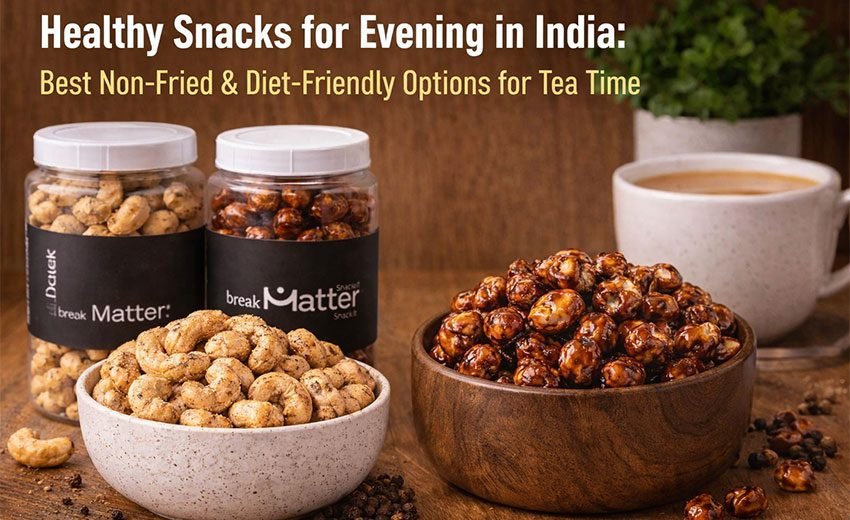
Nuts like almonds, walnuts, and cashews are powerhouses of healthy fats, protein, and antioxidants. Dry fruits such as dates, figs, and apricots provide natural sweetness and fiber. A small handful (about 30 grams) makes for a perfect evening snack that keeps you full and energized.
Makhana (Fox Nuts)
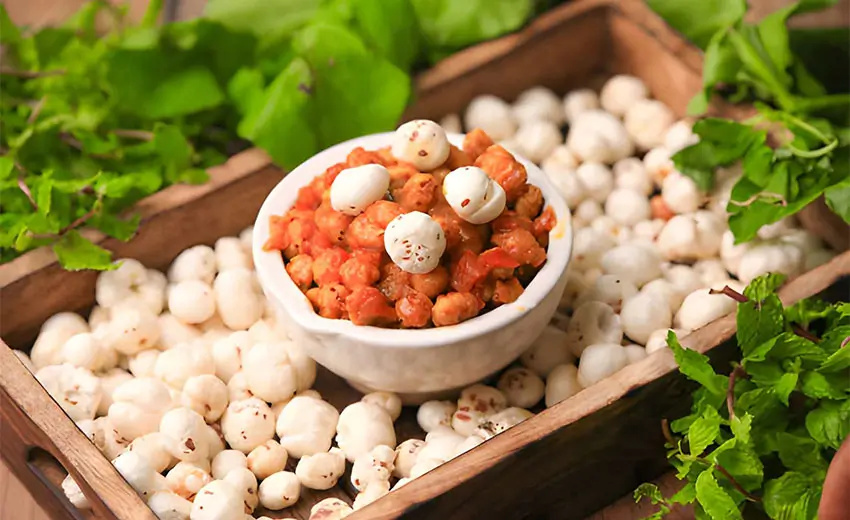
Makhana has become increasingly popular as a guilt-free snack. These puffed lotus seeds are low in calories, high in protein, and incredibly versatile. Roast them with minimal ghee and spices like black pepper, turmeric, or chaat masala for a crunchy, satisfying treat.
Homemade Chivda Without Frying
Chivda or poha mixture is a beloved Indian snack. The traditional version is deep-fried, but you can easily make a healthier version by roasting the ingredients. Use thin poha (flattened rice), peanuts, curry leaves, and spices. Roast everything separately in a pan with minimal oil or bake them in the oven. The result is just as crunchy and flavorful.
Sprouts and Protein-Based Snacks
Sprouted moong, chickpeas, or mixed lentils are excellent sources of plant-based protein. Toss them with chopped onions, tomatoes, cucumber, lemon juice, and chaat masala for a refreshing and filling snack. You can also make sprout chaat or sundal (a South Indian preparation) for variety.
Traditional Indian Snacks Made Healthy
Many traditional snacks can be reimagined with healthier methods. For example, dhokla (steamed gram flour cake) is naturally low in oil. Idlis and upmas made with semolina or oats offer balanced nutrition. These snacks honor Indian food traditions while supporting modern health goals.
Evening Snacks Without Frying – Why They Are Better
Health Benefits of Non-Fried Snacks
Choosing evening snacks without frying offers multiple health advantages:
- Lower Calorie Intake: Roasted or baked snacks contain significantly fewer calories compared to their fried counterparts.
- Heart Health: Avoiding deep-fried foods reduces bad cholesterol (LDL) and supports cardiovascular health.
- Better Digestion: Non-fried snacks are lighter on the stomach and easier to digest.
- Weight Management: With fewer unhealthy fats, these snacks help maintain or reduce body weight.
- Clearer Skin: Reducing oil intake can lead to fewer breakouts and healthier skin.
Fried vs Roasted Snacks Comparison
Consider this comparison:
Deep-Fried Samosa: Approximately 250-300 calories, 15-20 grams of fat, mostly from reused oil that may contain harmful compounds.
Baked Samosa or Roasted Chickpeas: About 100-150 calories, 3-5 grams of healthy fats, made with fresh ingredients and minimal oil.
The choice becomes clear when you see the nutritional difference.
Diet Snacks for Evening Indian Consumers Can Trust
Low-Calorie Snacks
If you’re watching your calorie intake, focus on snacks that are naturally low in calories but high in volume. Options include:
- Air-popped popcorn seasoned with spices (not butter)
- Cucumber or carrot sticks with hummus
- Roasted chana (chickpeas)
- Vegetable soup with minimal oil
Weight Loss Friendly Options
For those on a weight loss journey, protein and fiber are your best friends. These nutrients keep you full longer and prevent overeating at dinner. Choose:
- Boiled eggs (if non-vegetarian)
- Paneer cubes (cottage cheese) with spices
- Mixed sprouts salad
- Roasted makhana
- Greek yogurt with a sprinkle of seeds
Portion Control Tips
Even healthy snacks can lead to weight gain if consumed in excess. Follow these guidelines:
- Use a small bowl or plate to serve your snack
- Aim for 150-200 calories per evening snack
- Eat mindfully without distractions like TV or phones
- Wait 10-15 minutes after finishing to assess if you’re still hungry
Healthy Snacks for Tea Time in India
Best Snacks to Pair with Tea
Tea time is sacred in Indian households. Here are snacks for tea time in India that complement your cup perfectly:
- Whole wheat or multigrain biscuits (check for low sugar)
- Roasted makhana or peanuts
- Homemade protein bars with oats and dates
- Baked mathri made with whole wheat flour
- Steamed dhokla or idli
These options offer the right balance of taste and nutrition without overwhelming your system with oil and calories.
Snacks to Avoid During Tea Time
Some snacks might seem harmless, but can derail your health goals:
- Deep-fried snacks like pakoras and samosas
- Store-bought cookies loaded with sugar and trans fats
- Cream biscuits and wafers
- Sweet pastries and cakes
- Instant noodles or fried namkeen
How to Choose the Right Healthy Evening Snack
Making the right choice becomes easier when you know what to look for:
Ingredients: Read labels carefully if buying packaged snacks. Choose items with recognizable, whole-food ingredients. Avoid products with artificial flavors, preservatives, or excessive sodium.
Cooking Method: Prioritize roasted, baked, steamed, or air-fried preparations. These methods retain nutrients while eliminating unnecessary oil.
Portion Size: Pre-portion your snacks to avoid mindless eating. A serving should satisfy hunger without making you feel stuffed.
Shelf Life: Homemade snacks are ideal, but if choosing packaged options, check manufacturing dates and storage instructions. Shorter shelf life often indicates fewer preservatives.
Why Homemade Snacks Are Better Than Packaged Snacks
Homemade vs Packaged Comparison
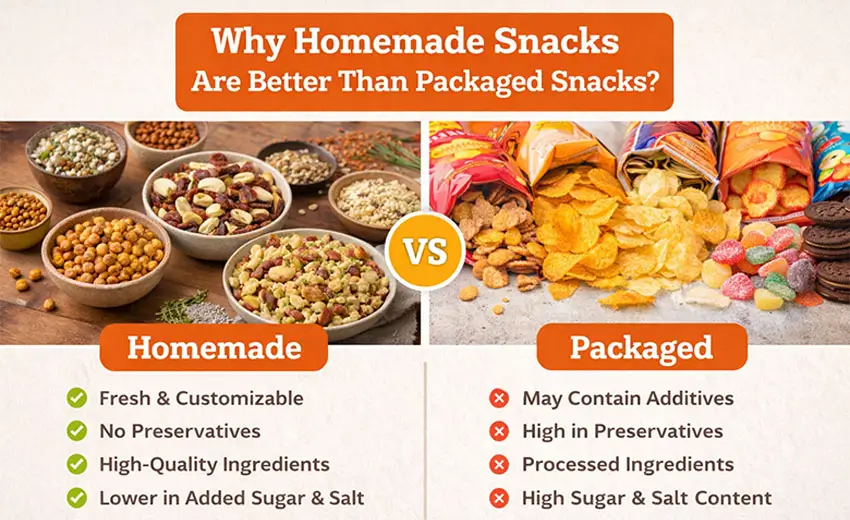
Homemade snacks give you complete control over ingredients and cooking methods. You know exactly what goes into your food, no hidden sugars, unhealthy oils, or artificial additives.
Packaged snacks, even those marketed as “healthy,” often contain preservatives, excessive salt, and misleading nutritional claims. Many use palm oil or hydrogenated fats that harm heart health over time.
Long-Term Health Benefits
Consistently choosing homemade, healthy snacks leads to:
- Stable blood sugar levels
- Improved gut health
- Better weight management
- Reduced risk of chronic diseases
- Enhanced energy and mental clarity
- Stronger immunity
Why Snaceat Is a Trusted Choice for Healthy Evening Snacks
While homemade snacks are ideal, busy lifestyles don’t always allow time for preparation. This is where Snaceat offers a practical solution. The brand focuses on creating snacks using traditional Indian recipes with a healthy twist, roasting instead of frying, using quality ingredients, and avoiding artificial additives.
Snaceat’s approach mirrors homemade preparation methods, ensuring you get the authentic taste of Indian snacks without compromising on health. Their offerings include roasted makhana, healthy chivda, and other diet snacks for evening Indian consumers who want convenience without guilt. The brand emphasizes transparency in ingredients and cooking processes, making it easier for health-conscious individuals to make informed choices.
Tips to Build a Healthy Evening Snacking Habit
Transforming your snacking habits takes time and consistency. Here are practical tips:
Plan Ahead: Prepare or purchase healthy snacks at the beginning of the week so they’re readily available.
Stay Hydrated: Sometimes thirst is mistaken for hunger. Drink water before reaching for a snack.
Listen to Your Body: Eat when genuinely hungry, not out of boredom or stress.
Keep Unhealthy Snacks Out of Sight: If fried or sugary snacks aren’t easily accessible, you’re less likely to eat them.
Experiment with Flavors: Try different spices and herbs to keep your snacks interesting and satisfying.
Involve Family: Make healthy snacking a family affair. When everyone participates, it’s easier to stick with good habits.
Frequently Asked Questions (FAQ)
What are the healthiest snacks for the evening in India?
The healthiest options include roasted makhana, mixed nuts, sprouts chaat, homemade roasted chivda, steamed dhokla, and fresh fruit with yogurt. These snacks are nutrient-dense, low in unhealthy fats, and provide sustained energy without causing blood sugar spikes.
Which evening snacks are good for weight loss?
Weight loss-friendly evening snacks include boiled chickpeas, roasted chana, vegetable sticks with hummus, Greek yogurt, paneer cubes, sprouts salad, and air-popped popcorn. These options are high in protein and fiber, keeping you full longer and preventing overeating at dinner.
Are roasted snacks better than fried snacks?
Yes, roasted snacks are significantly better than fried ones. They contain fewer calories, less unhealthy fat, and no harmful compounds from reused cooking oil. Roasting preserves nutrients better and supports heart health, weight management, and overall wellness without sacrificing taste.
What snacks are best for tea time in India?
The best tea-time snacks include roasted makhana, whole wheat biscuits, baked mathri, steamed dhokla, roasted peanuts, and homemade protein bars. These complement tea perfectly while providing nutrition and keeping calorie intake in check compared to traditional fried options.
Can evening snacks be part of a healthy diet?
Absolutely. Evening snacks play an important role in maintaining energy levels and preventing overeating at dinner. When you choose healthy options with the right portion sizes, evening snacking supports metabolism, provides essential nutrients, and helps maintain stable blood sugar throughout the day.
Conclusion
The evening snack is more than just a food break; it’s an opportunity to nourish your body and honor the rich tradition of Indian food culture. By choosing healthy snacks for the evening in India, you’re making a conscious decision to prioritize wellness without sacrificing flavor or satisfaction.
Whether you opt for homemade preparations or trusted brands like Snaceat that emphasize quality and health, the key is consistency. Small changes in your snacking habits can lead to significant improvements in energy, weight management, and long-term health.
Start today by replacing just one fried snack with a healthier alternative. Your body will thank you, and you might discover that healthy snacking is not just better for you it can be just as delicious and satisfying as anything deep-fried. Make the switch, embrace the change, and enjoy your evening tea time with snacks that truly care for your health.
 Order up to 1090 INR and get free shipping